Datacenters by Country and City

Browse the countries and cities where datacenters are listed on Datalok, then go straight to the colocation offers available there.

Where your datacenter sits affects latency, energy prices, the regulatory framework and how easily your teams can get on site. Each page covers the local market: connectivity, climate, natural risks and transport links.

Datacenters by country

Datacenters in Canada

Canada's colocation market centres on Toronto and Montreal, with Vancouver and Calgary serving the west. Proximity to major US markets makes it an efficient base for hosting workloads across North America. Data centers offer racks, cages and private suites, powered largely by hydroelectricity in Quebec and British Columbia. TorIX, QIX,…

Datacenters in Germany

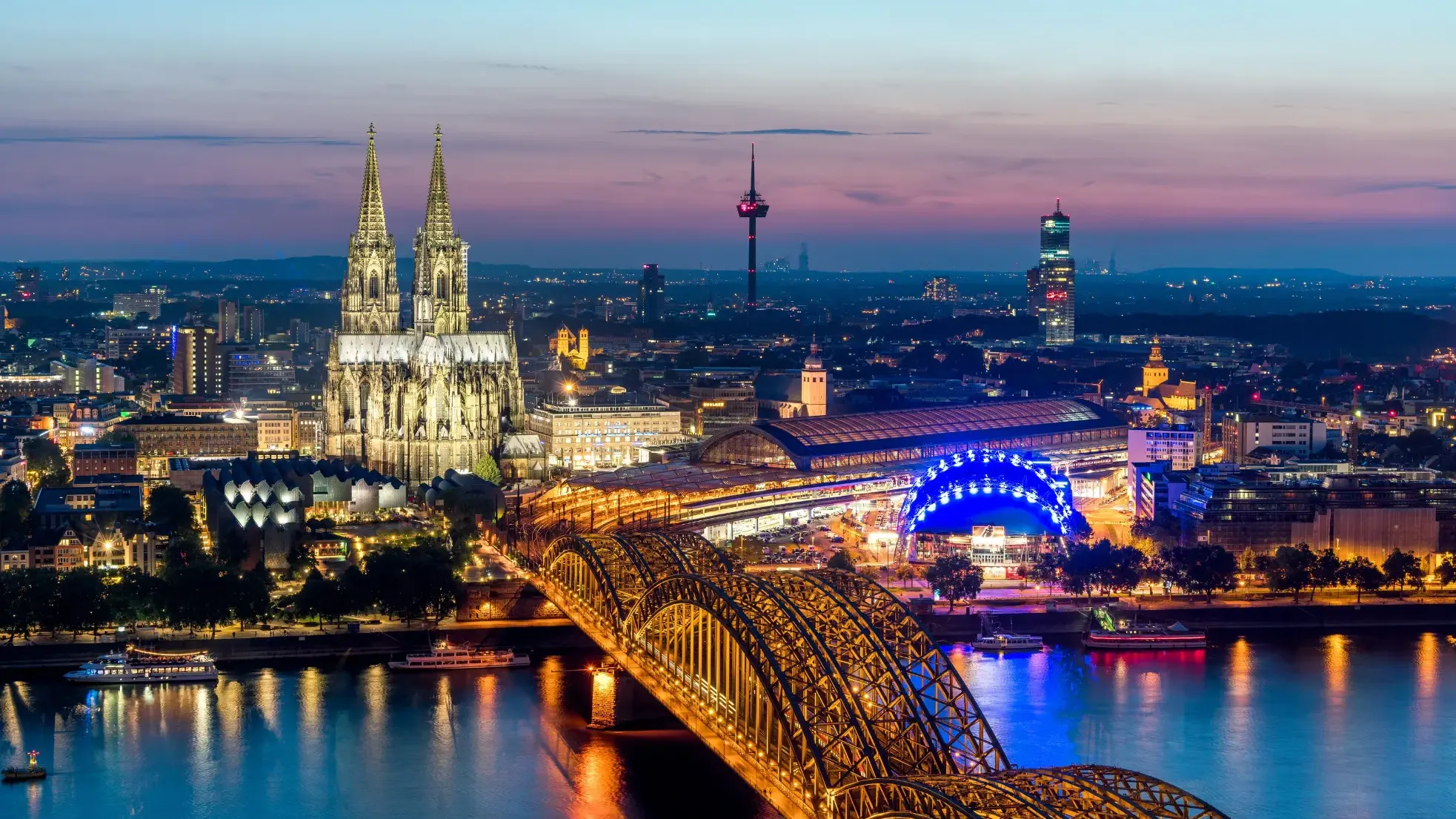
Germany occupies a central position on the European data center map. With more than 500 operational facilities and a total capacity approaching 3,000 MW, the country is the second largest colocation market in Europe. Its geographical location in the heart of the continent, at the crossroads of the main east-west and north-south network…

Datacenters in Italy

Italy is emerging as a major data center hub in Southern Europe, driven by its strategic geographic location in the center of the Mediterranean. The country serves as a natural landing point for undersea cables connecting Europe to Africa, the Middle East, and Asia, with more than 33 operational undersea cables and several projects…

Datacenters in Luxembourg

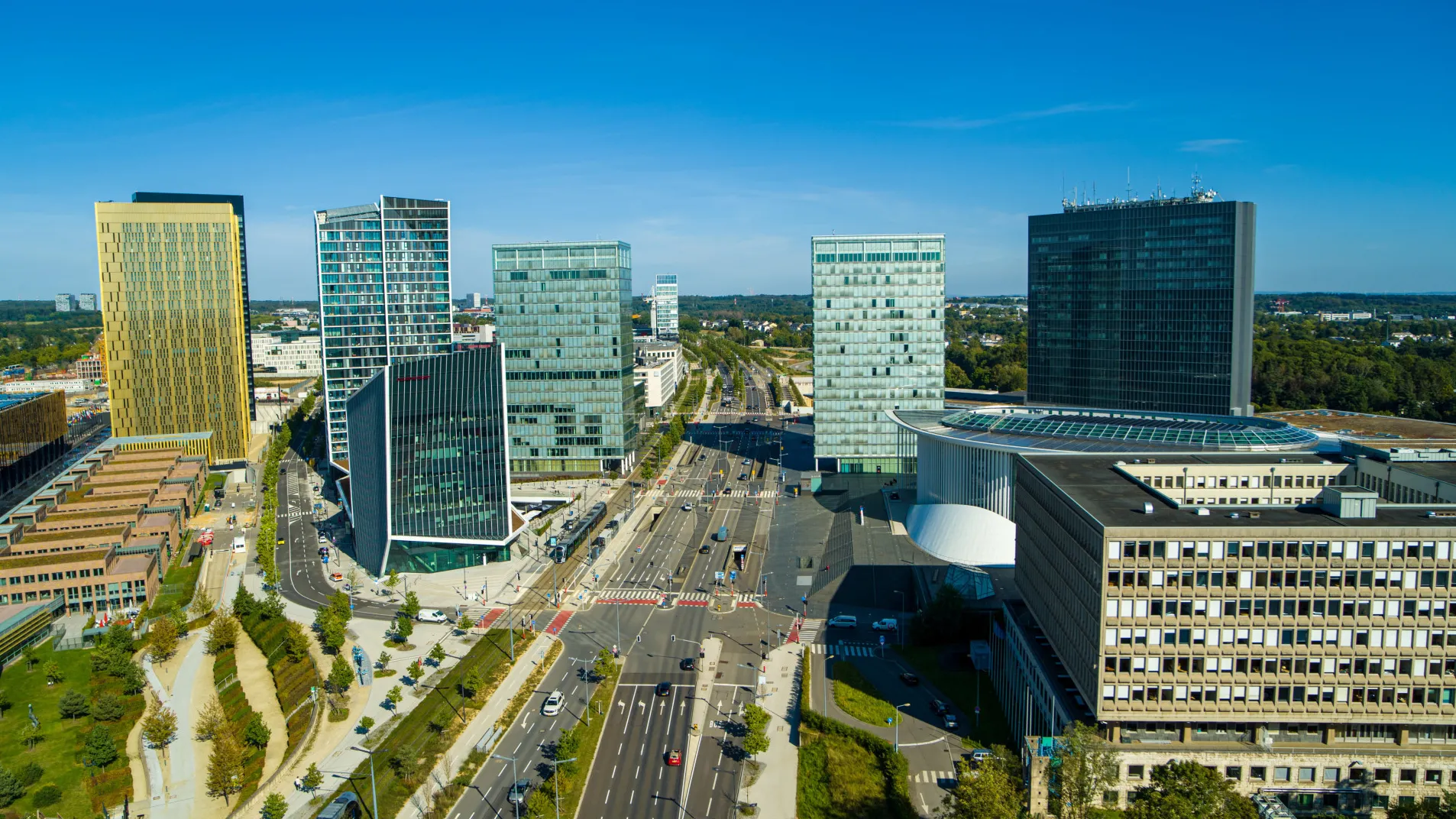
Luxembourg is establishing itself as one of Europe's most strategic colocation markets. Located at the crossroads of Germany, France and Belgium, the country offers an ideal geographical position to serve Europe's major economic centres with minimal latency. The Grand Duchy is a natural crossing point for fibre optic routes connecting…

Cities

Datacenters in Spain

Spain is emerging as a strategic gateway for data flows between Europe, the Americas, Africa, and the Middle East. Its geographic location on the Iberian Peninsula makes it a natural hub for international networks, with some 30 active submarine cables, including MAREA (Microsoft/Meta, 6,600 km to Virginia) and Grace Hopper (Google, 16…

Datacenters in the United Kingdom

The United Kingdom stands as Europe's largest and most mature datacenter market, anchored by London the continent's premier colocation hub. With over 500 facilities nationwide, access to more than 50 submarine cable systems and the presence of LINX (London Internet Exchange), one of the world's largest internet exchange points connecting…

Other listed cities

Datacenters in Zurich

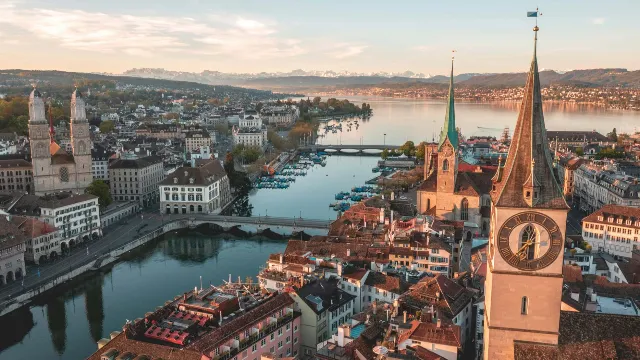
Zurich accounts for more than 60% of Switzerland's Data center capacity. A leading financial center and home to many international headquarters, the city offers low latency to Germany, France and Italy. Colocation and hosting options include racks, cages and private suites from carrier-neutral operators connected to the SwissIX internet…

How to choose where to host your servers

The right location depends on what you run. These are the points worth checking first, before you start comparing colocation offers.

Latency and connectivity

The closer your servers are to your users, the lower the latency. Also look at how many carriers are present in the building and how far it is to the nearest internet exchange point (IXP), such as France-IX in Paris or DE-CIX in Frankfurt: that is what shapes your interconnection options and network redundancy.

Power and density

Electricity is a large share of what you pay for colocation. Price per kWh, energy mix and the power available per rack vary a lot from one country to the next. For high-density AI or GPU workloads, check the power capacity actually available and the cooling options right from the start.

Regulation and sovereignty

Keeping your data in the European Union makes GDPR compliance simpler and limits exposure to extraterritorial laws. Some sectors add their own requirements, such as HDS certification for health data in France, or data residency rules in finance and the public sector.

Climate and natural risks

A cool climate allows more free cooling and brings PUE down. Flood-prone, seismic or very hot areas, on the other hand, call for extra precautions. The risks identified for each city are listed on its page.

Access for your teams

A nearby train station or airport makes on-site work and audit visits much easier. If your teams are far away, check that the datacenter offers remote hands for routine operations.

Would you like to join the Datalok ecosystem?

Whether you are a data center owner or a company looking for hosting, the Datalok marketplace connects you to the best opportunities on the market.

Contact us